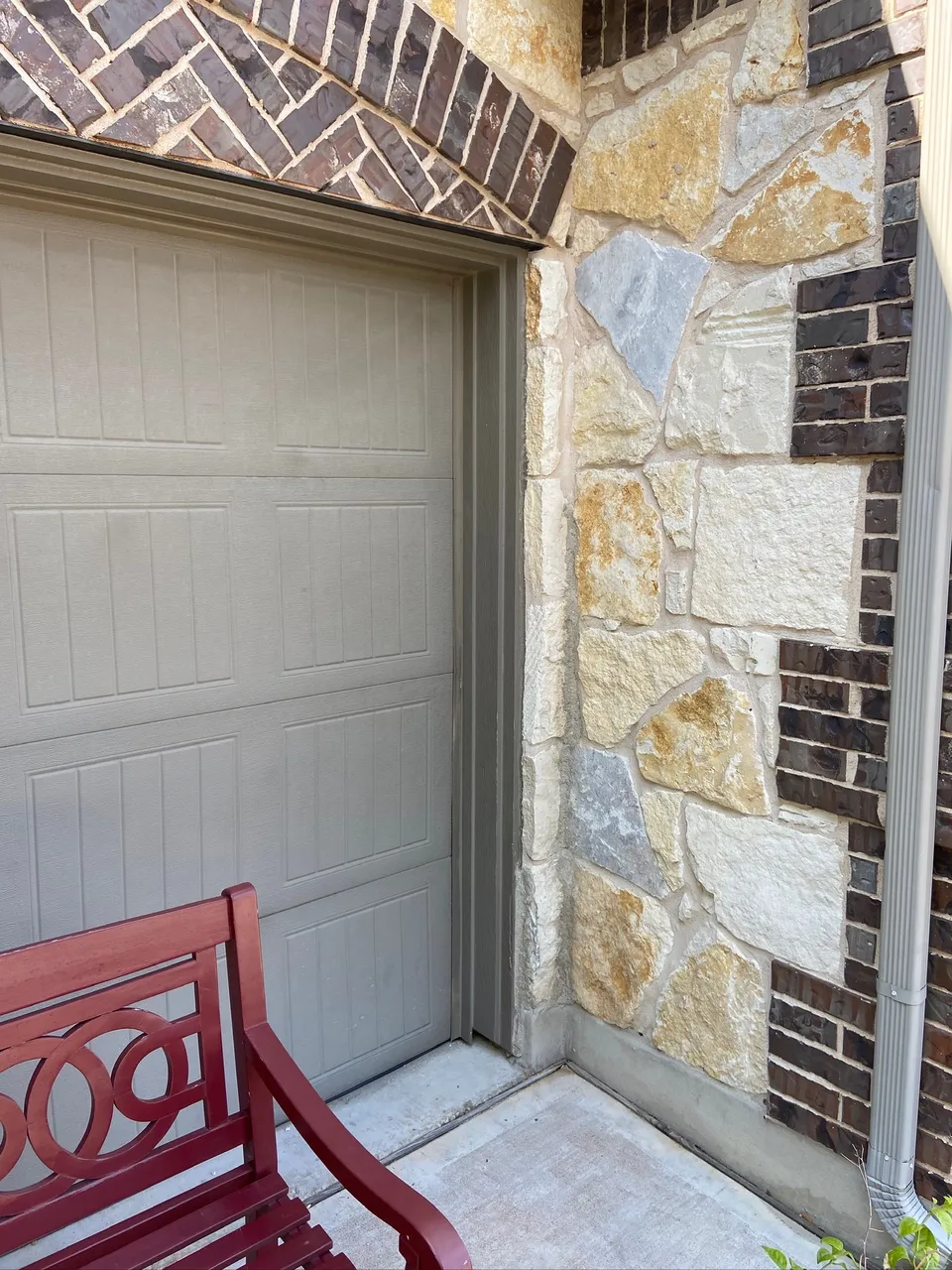
Mortar affects both strength and appearance
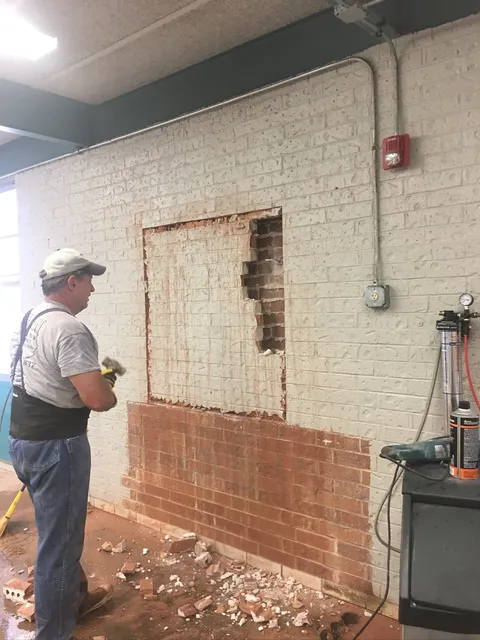
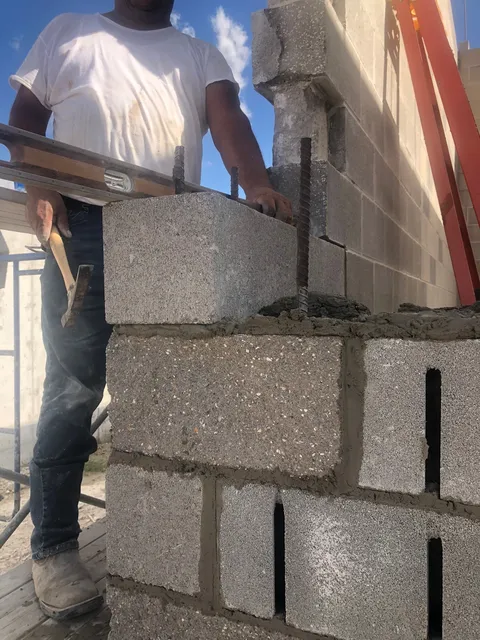
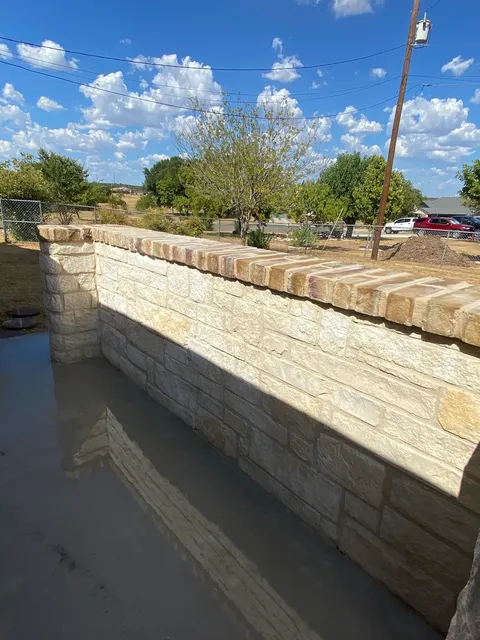
A repair can use good brick or stone and still look wrong if the mortar is too light, too dark, too smooth, too hard, or too wide. Matching takes judgment, not just a bag mix.
Older masonry may need a softer approach
Some older brick and stone should not be paired with overly hard mortar. The repair material should work with the existing wall rather than fight it.
Weathering changes the final look
Fresh mortar rarely looks exactly like aged mortar on day one. A good mason considers sand color, cement type, tooling, and how the repair will weather over time.
Color is more than pigment
The sand often contributes most of what you see in a mortar joint. Its color and grain size combine with the binder, water, mixing method, and finishing time to change the final appearance. Adding pigment without understanding the original mix can produce a joint that looks right when wet and wrong after it cures. A small test area is far safer than choosing from a bag or photograph alone.
Match the joint profile as carefully as the mix
A concave, raked, flush, brushed, or weathered joint catches light and sheds water differently. Even a close color match will stand out if the new joints are wider, deeper, or too smooth compared with the old wall. The repair should reproduce the existing joint depth and tooling wherever practical, then keep the surrounding brick or stone faces clean while the mortar is placed.
Set expectations before the repair starts
Ask where the sample will be placed, how long it should cure before approval, and whether the existing wall will be cleaned. Some variation is unavoidable when new material meets masonry that has weathered for years. The goal is a compatible repair that settles into the wall, not a promise that fresh mortar will be invisible the moment the tools are put away.
Need this looked at in person?
Photos and a quick description help the crew understand the project before an estimate visit.
Request estimate