Start with the pattern, not the panic
A single hairline crack in mortar can be cosmetic. A stair-step crack, widening joint, displaced stone, bowed wall, or crack near an opening deserves closer attention. The pattern tells the mason whether the wall is simply aging or whether something is moving behind it.
Look for water and support problems
Central Texas masonry has to deal with heat, shifting soil, and heavy rain. Water stains, loose mortar, rust near lintels, sagging over garage doors, and repeated patch failures can all point to a deeper cause.
Do not cover the symptom before finding the cause
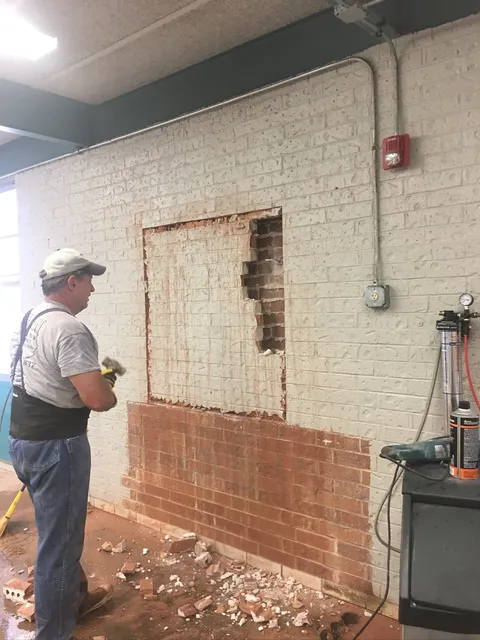
Caulk or surface patching may hide a problem for a short time, but a lasting repair should address support, drainage, movement, and material matching. A good estimate explains what is being removed, rebuilt, pointed, or reinforced.
Track whether the crack is changing
Take a clear photo with the date and a simple size reference, then check the same spot after a stretch of dry weather and again after a heavy rain. A crack that stays hairline and unchanged is a different conversation from one that grows, closes, reopens, or begins pushing brick out of plane. Do not climb or enter an unsafe area just to measure it.
Pay special attention around openings
Doors, windows, garage openings, and long spans concentrate loads in specific places. Cracks that follow a lintel, open at a corner, or appear with a sticking door can help narrow the cause. The masonry may need repointing, but the support, flashing, drainage, or movement behind the wall should be considered before the visible joint is closed again.
What to send for a useful repair estimate
Send one close photo, one wider photo showing the whole wall, the project address, and a note about when you first noticed the crack. Mention interior cracking, water stains, drainage changes, foundation work, and any repair already attempted. Those details help a mason decide whether the next step is a straightforward masonry visit or whether another trade should evaluate the movement first.
Need this looked at in person?
Photos and a quick description help the crew understand the project before an estimate visit.
Request estimate