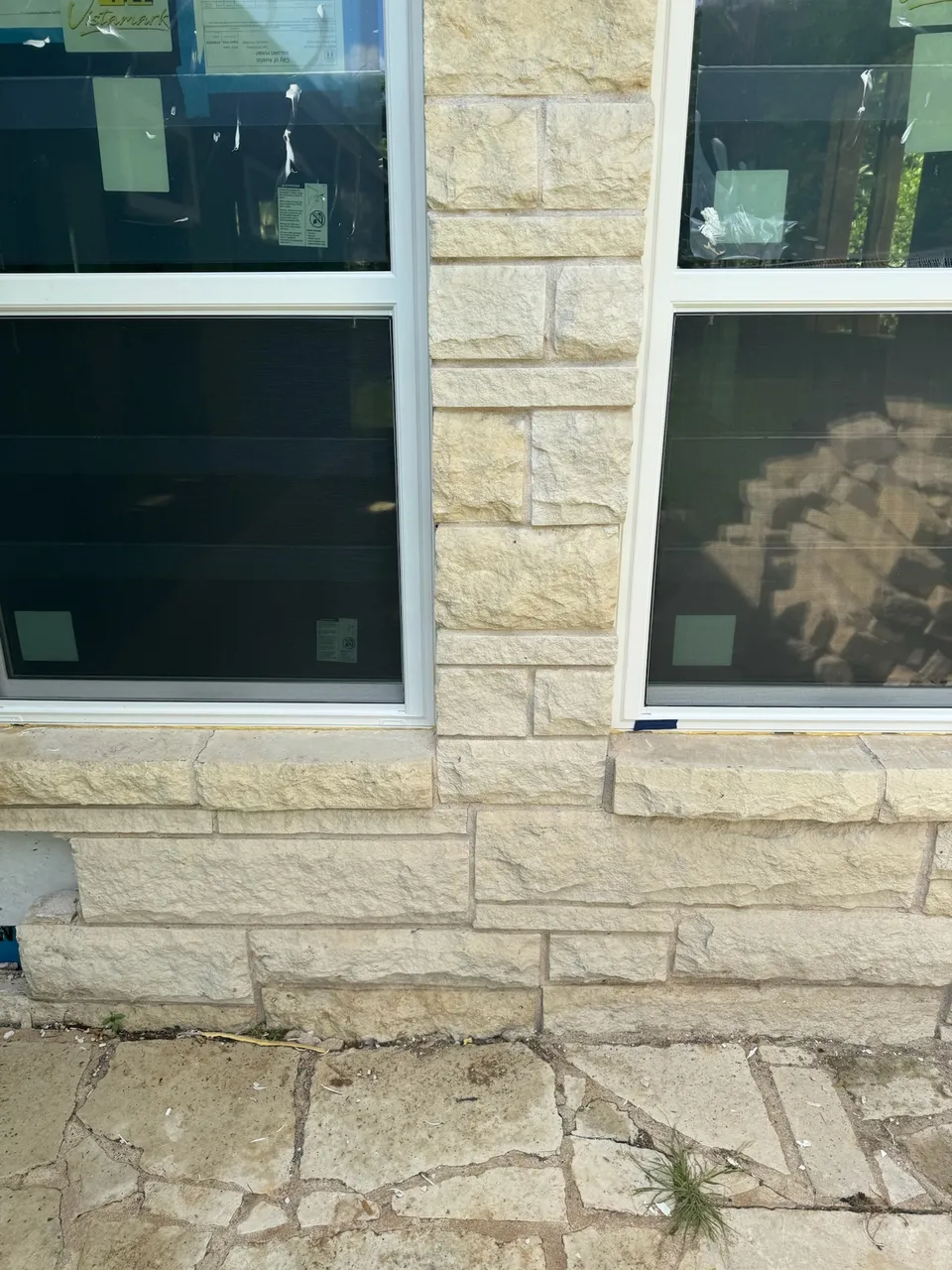
Natural stone is the real thing
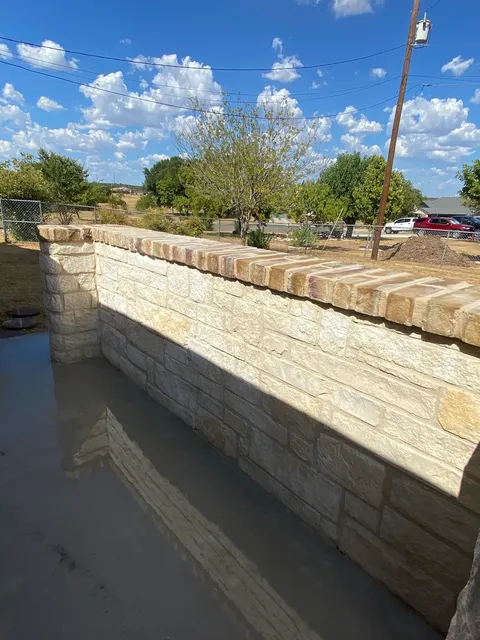
Natural stone is cut or fieldstone — heavier, more expensive, and with the depth and variation only real rock has. On the right project it is worth every penny, and it will outlast all of us.
Manufactured veneer is lighter and easier on the budget
Manufactured, or thin, veneer is made to look like stone but weighs a fraction as much and usually costs less. A good product installed well looks very close to natural stone, and it opens up spots where real stone would be too heavy.
Where it is going decides a lot
An interior fireplace, an exterior wall, a column at the drive — each has different weight and exposure. We will look at the spot, the budget, and the look you want and tell you honestly which one fits.
The support and wall assembly come first
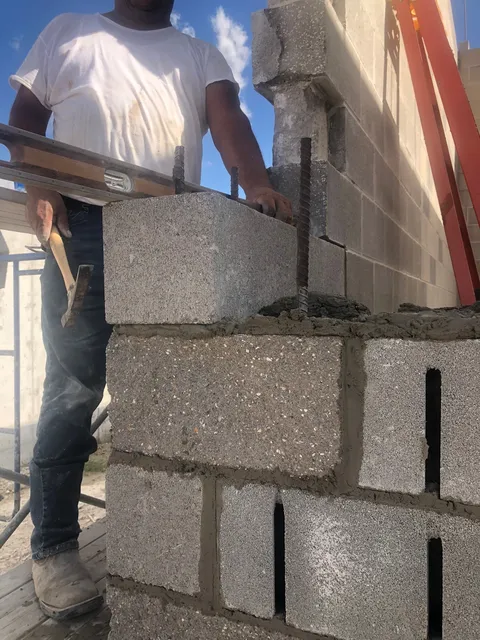
Full-depth natural stone needs different support than a lightweight adhered veneer, and neither should be selected without looking at the substrate. New construction can plan ledges, ties, drainage, and flashing from the start. A retrofit may need surface preparation or a different product to manage weight and thickness. The correct assembly matters more than the label on the sample board.
Compare real samples in the project light
Stone can look dramatically different indoors, under a porch, or in full Texas sun. View several pieces together rather than choosing from one ideal sample. Look at color range, corner pieces, joint width, mortar color, and how the stone transitions at windows, doors, trim, and rooflines. Manufactured products repeat more than natural stone, so layout and mixing from multiple boxes are important.
Think about the finished wall, not only the stone price
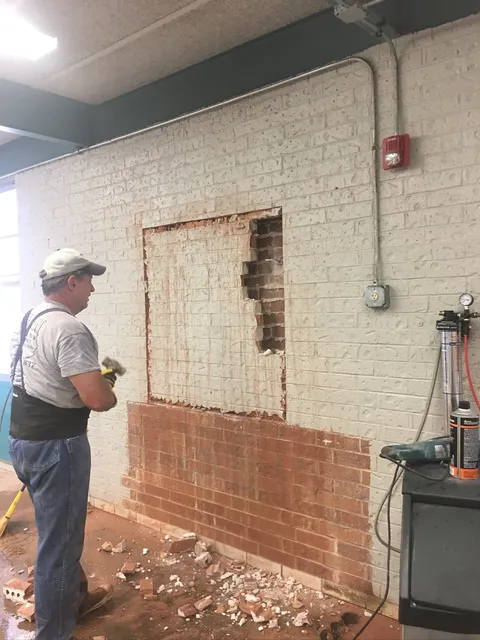
The installed scope may include demolition, substrate repair, moisture management, support, corners, caps, hearth pieces, scaffolding, and cleanup. Natural stone can add labor for sorting and fitting; manufactured veneer can require detailed preparation and careful layout to avoid an artificial pattern. Compare proposals for the same finished area and details, then choose the system that fits the building and budget.
Need this looked at in person?
Photos and a quick description help the crew understand the project before an estimate visit.
Request estimate